
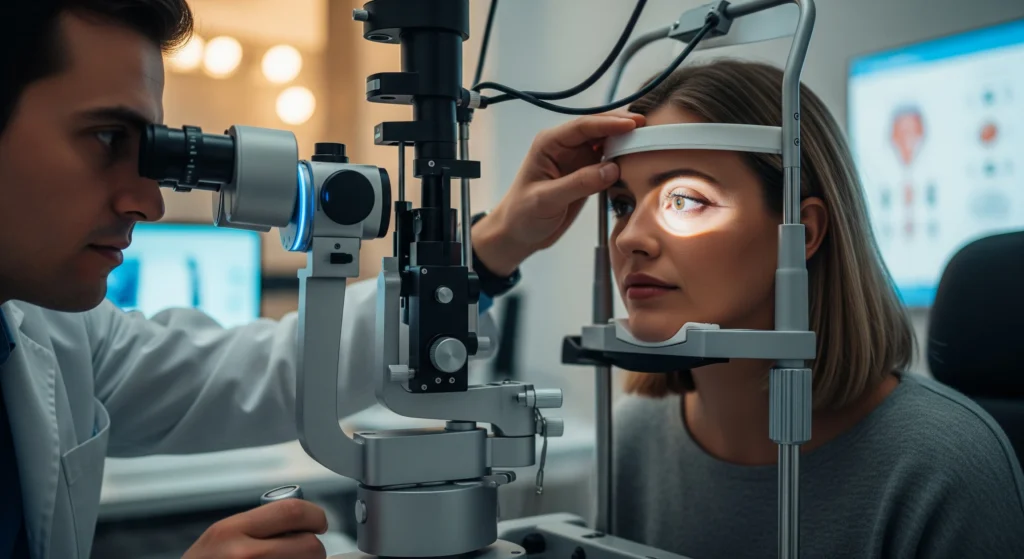
Eyes are one of the most precious gifts of nature. They allow us to experience the world, connect with people, and lead independent lives. Yet, millions of individuals around the globe struggle with eye diseases, vision impairments, or preventable blindness. Ophthalmology—the specialized branch of medicine dedicated to eye care—plays a vital role in diagnosing, treating, and preventing these conditions.
In these days’s generation, advancements in ophthalmology have converted how eye care is added. From advanced imaging technologies and minimally invasive surgical procedures to customized remedy plans, ophthalmology has come a protracted manner in keeping and restoring imaginative and prescient. This article explores the significance of ophthalmology, the commonplace situations it treats, current remedy options, preventive measures, and the future of eye care.
The Importance of Eye Health
Good imaginative and prescient is valuable to usual fitness, productivity, and exceptional of existence. Eye fitness impacts:
- Daily residing – clear sight facilitates in studying, riding, and acting duties safely.
- Education and career – children with suitable imaginative and prescient research higher, and adults perform more efficaciously at paintings.
- Mental well-being – bad eyesight can result in frustration, stress, or maybe depression.
- Early sickness detection – eye checks can monitor signs and symptoms of diabetes, high blood pressure, and neurological problems.
Preserving eye health isn’t pretty much treating illnesses—it’s far approximately retaining independence, safety, and happiness.
What is Ophthalmology?
Ophthalmology is the branch of medicine that deals with the anatomy, physiology, and diseases of the eyes. Unlike optometry, which primarily focuses on vision correction with glasses or contact lenses, ophthalmology goes deeper into medical and surgical treatments.
Ophthalmologists are medical doctors (MDs) or surgeons who specialize in eye and vision care. They are trained to:
- Diagnose and manage eye diseases.
- Perform eye surgeries such as cataract, LASIK, glaucoma, and retinal surgeries.
- Prescribe medications and corrective lenses.
- Provide preventive eye care and rehabilitation for vision loss.
Common Eye Conditions Treated in Ophthalmology
Eyes are one of the most important parts of our body, and ophthalmology deals with everything from small vision problems to serious, sight-threatening conditions. Here are some of the most common issues your eye doctor can help with:
1. Refractive Errors
Almost everyone experiences vision issues at some point — whether it’s nearsightedness, farsightedness, astigmatism, or presbyopia. The good news is that glasses or contact lenses can usually fix them. For those looking for a more permanent solution, advanced procedures like LASIK or SMILE can make a big difference in day-to-day life.
2. Cataracts
Cataracts happen when the natural lens of your eye gets cloudy. This can make your vision blurry, increase sensitivity to light, and make it hard to see at night. Modern cataract surgery with an intraocular lens implant is highly effective and can restore clear vision, helping you get back to enjoying life without limitations.
3. Glaucoma
Often called the “silent thief of sight,” glaucoma can damage your optic nerve quietly, without obvious warning signs at first. The key is early detection — with regular check-ups, medications, laser therapy, or surgery, glaucoma can be managed and further vision loss prevented.
4. Age-Related Macular Degeneration (AMD)
AMD affects the central vision, making tasks like reading or recognizing faces difficult. It’s most common in older adults. Thankfully, new treatments, including anti-VEGF injections, can help slow its progression and preserve vision.
5. Diabetic Retinopathy
Diabetes can affect the tiny blood vessels in the retina, leading to diabetic retinopathy. Early detection through retinal imaging, combined with treatments like laser therapy or injections, can prevent severe vision loss and keep eyes healthy.
6. Dry Eye Syndrome
In today’s digital world, many people suffer from dry eyes due to insufficient tears or poor tear quality. Simple measures like artificial tears, lifestyle changes, and advanced therapies such as punctal plugs can bring relief and protect long-term eye health.
7. Pediatric Eye Conditions
Children can face eye issues such as strabismus (crossed eyes), amblyopia (lazy eye), or congenital cataracts. Early diagnosis and treatment are essential to prevent lifelong vision problems and ensure healthy visual development.
8. Corneal Diseases
The cornea is vital for clear vision, but conditions like keratoconus, corneal ulcers, or infections can affect it. Modern ophthalmology offers solutions such as corneal transplants and cross-linking, restoring clarity and protecting eyesight.
Advanced Diagnostic Tools in Ophthalmology
Ophthalmology has made tremendous progress in diagnostic technology, allowing eye doctors to detect problems early and plan effective treatments. Some of the key tools include:
- Optical Coherence Tomography (OCT): Creates detailed cross-sectional images of the retina, helping detect conditions like macular degeneration or diabetic retinopathy.
- Fundus Photography: Captures high-resolution images of the retina and optic nerve, useful for monitoring eye health over time.
- Corneal Topography: Maps the surface of the cornea to identify irregularities, such as keratoconus, and aids in planning surgeries.
- Visual Field Testing: Detects early signs of glaucoma and optic nerve damage before noticeable vision loss occurs.
- Ultrasound Biomicroscope: Examines structures of the eye that are not visible with standard examination tools, helping in accurate diagnosis.
These advanced tools enable ophthalmologists to make precise diagnoses and create personalized treatment plans, ensuring the best possible care for every patient.
Modern Treatments in Ophthalmology
Ophthalmology has evolved tremendously, offering advanced treatments that improve vision, reduce recovery time, and address previously untreatable conditions. Some of the most remarkable modern treatments include:
1. Laser Eye Surgery
Procedures like LASIK, SMILE, and Contoura Vision have transformed vision correction. These surgeries reduce dependence on glasses or contact lenses, offering patients clearer vision and a more convenient lifestyle.
2. Minimally Invasive Glaucoma Surgery (MIGS)
Innovative devices and smaller incisions have made glaucoma surgery safer, quicker, and highly effective, helping preserve vision while minimizing complications.
3. Retinal Treatments
Advances in vitrectomy, laser photocoagulation, and intravitreal injections have significantly improved outcomes for retinal diseases, protecting patients from severe vision loss.
4. Advanced Cataract Surgery
Techniques like phacoemulsification and femtosecond laser-assisted cataract surgery offer faster recovery and better visual outcomes, making cataract removal safer and more precise than ever.
5. Artificial Intelligence (AI) in Eye Care
AI-powered screening tools can detect conditions such as diabetic retinopathy and other eye diseases earlier than traditional methods, enabling timely intervention.
6. Gene and Stem Cell Therapies
Emerging treatments in gene therapy and stem cell research are showing promise for genetic disorders and degenerative eye diseases, offering hope for conditions that were once considered untreatable.
Preventive Eye Care: Protecting Your Vision
While modern treatments can correct many eye problems, prevention is always the best strategy for keeping your eyes healthy and vision clear. Simple daily habits can make a big difference:
1. Follow the 20-20-20 Rule
When working on a screen, every 20 minutes, look at something 20 feet away for at least 20 seconds. This helps reduce eye strain.
2. Wear Sunglasses with UV Protection
Protect your eyes from harmful UV rays, which can contribute to cataracts and other eye conditions.
3. Maintain Proper Lighting
Ensure you have adequate lighting while reading, working, or using screens to avoid unnecessary eye strain.
4. Stay Hydrated and Blink Often
Drinking enough water and blinking regularly helps prevent dry eyes, especially in today’s digital-heavy lifestyle.
By incorporating these habits into your daily routine, you can protect your eyes, reduce strain, and maintain healthy vision for years to come.
Nutrition and Eye Health
Healthy eyes start from within. A balanced diet rich in antioxidants, omega-3 fatty acids, vitamins C and E, lutein, and zeaxanthin can help maintain eye health and reduce the risk of certain eye diseases. Foods like leafy greens, fish, carrots, nuts, and citrus fruits are especially beneficial.
Regular Eye Exams
Routine eye check-ups are essential for catching problems early, often before they cause permanent damage. Adults, children, and seniors all benefit from timely screenings, ensuring long-term eye health.
Managing Systemic Diseases
Diseases like diabetes and hypertension can have a direct impact on your eyes. Proper management of these conditions lowers the risk of complications such as diabetic retinopathy or hypertensive retinopathy, keeping your vision safe.
Ophthalmology and Children: The Foundation of Lifelong Vision
- Early Screening for Refractive Errors: Detecting issues like nearsightedness or farsightedness early ensures children can see clearly in school and at home.
- Treatment of Amblyopia (Lazy Eye): Eye patches or corrective lenses help strengthen weaker eyes and improve vision over time.
- Surgical Correction of Congenital Eye Conditions: Some children are born with eye problems that require surgical treatment for proper development and vision.
Parents should stay alert for signs such as frequent eye rubbing, squinting, or difficulty reading, as these may indicate underlying vision problems that need professional attention.
The Role of Technology in Eye Care
Technology is transforming the way eye care is delivered, making it more precise, accessible, and effective. Key innovations include:
- Tele-ophthalmology: Remote consultations and screenings bring eye care to people in rural or underserved areas, ensuring timely diagnosis and treatment.
- Robotic Surgeries: Advanced robotic systems enhance surgical precision and reduce recovery times for patients.
- Wearable Devices: Smart glasses and other vision aids support people with low vision, improving their daily quality of life.
- Big Data & Artificial Intelligence (AI): AI algorithms and data analytics help predict disease progression, tailor treatments, and improve patient outcomes.
With these technological advancements, ophthalmologists can deliver better care, prevent vision loss, and improve overall eye health for patients everywhere.
The Future of Ophthalmology
The future of eye care is incredibly exciting, with innovations that could transform the way we prevent and treat vision problems. Some promising developments include:
- Bionic Eyes and Retinal Implants: Technologies that aim to restore vision for the blind and significantly improve quality of life.
- 3D-Printed Corneas: Offering solutions for corneal transplant shortages and making surgeries more accessible.
- Personalized Medicine: Treatments tailored to a patient’s genetic profile, allowing for more effective and targeted care.
- Virtual Reality Therapies: Supporting vision rehabilitation and helping patients regain functional vision in innovative ways.
With these advancements, ophthalmology is moving toward a future where sight can be preserved, restored, and enhanced like never before.
Conclusion
Ophthalmology is much more than a medical specialty — it is the guardian of one of life’s most precious senses: vision. Thanks to advancements in diagnostics, treatments, and technology, millions of people today can enjoy better eye health and an improved quality of life.
Preserving vision requires a balanced approach: regular eye check-ups, preventive care, healthy lifestyle habits, and timely access to modern treatments. By taking proactive steps now, we can protect the gift of sight for the years to come.