
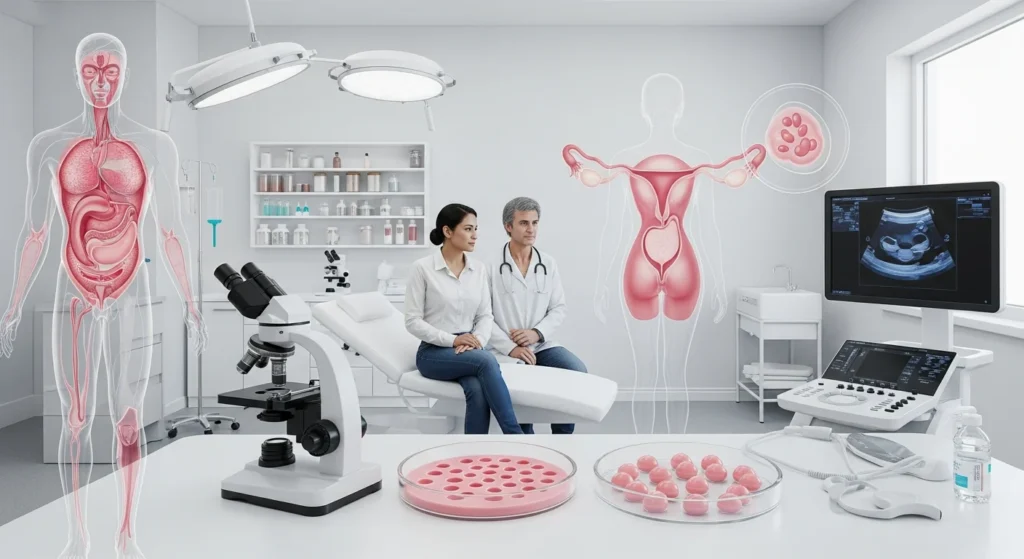
Infertility is a growing problem affecting tens of thousands and thousands of couples worldwide, and India isn’t always any exception. With changing lifestyles, pressure, medical conditions, and now not on time parenthood, every male and lady infertility cases have improved significantly. Fortunately, India has emerged as a global hub for superior fertility treatments, providing global-class scientific statistics, cutting-edge technology, and rate-effective solutions.
This expert doctor guide explores male and female infertility treatment in India, covering causes, diagnostic methods, treatment options, IVF procedures, and how to choose the best fertility specialist in India. Whether you’re considering IVF, IUI, ICSI, or different assisted reproductive techniques, this whole guide will assist you are making informed decisions.
Understanding Infertility: Male & Female Factors
Infertility is medically defined due to the fact the inability to conceive after twelve months of regular, unprotected intercourse. It can affect both companions or every.
Male Infertility: Common Causes
Male infertility contributes to nearly 40–50% of infertility instances. Common reasons encompass:
- Low sperm count (Oligospermia)
- Poor sperm motility (Asthenozoospermia)
- Abnormal sperm morphology
- Hormonal imbalances
- Varicocele
- Genetic disorders
- Lifestyle factors such as smoking, alcohol, obesity, and stress
Timely diagnosis by the best IVF specialist in Delhi or India can significantly improve outcomes.
Female Infertility: Common Causes
Female infertility may arise due to various reproductive or hormonal issues, including:
- Ovulation disorders (PCOS, hormonal imbalance)
- Blocked or damaged fallopian tubes
- Endometriosis
- Uterine abnormalities
- Age-related fertility decline
- Thyroid disorders
- Recurrent miscarriages
India’s advanced fertility clinics provide comprehensive female infertility evaluation under the guidance of the best fertility specialist in India.
Diagnosis of Infertility in India
Accurate diagnosis is the foundation of successful fertility treatment. Leading fertility centers and best IVF doctors in Delhi NCR follow a systematic evaluation process.
Male Infertility Tests
- Semen analysis
- Hormonal blood tests
- Genetic testing
- Scrotal ultrasound
- Testicular biopsy (if required)
Female Infertility Tests
- Hormone level assessment
- Ultrasound scans
- Hysterosalpingography (HSG)
- Laparoscopy or hysteroscopy
- Ovarian reserve testing (AMH)
Advanced Infertility Treatment Options in India
India offers a wide range of fertility treatments tailored to individual needs. Treatment plans are customized by the best IVF specialist in Delhi or other top cities based on age, cause of infertility, and medical history.
1. Ovulation Induction (OI)
This is frequently the first-line remedy for ladies with ovulation disorders. Fertility medicinal drugs assist stimulate egg release under expert supervision.
2. Intrauterine Insemination (IUI)
IUI includes placing processed sperm directly into the uterus at some point of ovulation. It is recommended for:
- Mild male infertility
- Unexplained infertility
- Cervical factor infertility
3. In Vitro Fertilization (IVF)
IVF is the most effective assisted reproductive technique and a cornerstone of best IVF in India programs.
IVF Process Includes:
- Ovarian stimulation
- Egg retrieval
- Fertilization in a lab
- Embryo culture
- Embryo transfer
IVF success rates in India are comparable to global standards when performed by the best IVF doctors in Delhi NCR.
4. Intracytoplasmic Sperm Injection (ICSI)
ICSI is an advanced IVF technique used primarily for severe male infertility, where a single sperm is injected directly into the egg.
5. Donor Programs
India gives regulated donor egg, donor sperm, and embryo donation programs for couples with low ovarian reserve or extreme infertility demanding situations.
6. Fertility Preservation
Egg freezing and sperm freezing are getting more and more famous, particularly amongst individuals delaying parenthood because of profession or medical reasons.
Why India Is a Preferred Destination for Infertility Treatment
India has become a leading destination for fertility care due to:
- Highly experienced doctors
- Internationally accredited IVF clinics
- Advanced technologies
- Affordable treatment costs
- Personalized care and ethical practices
Many couples journey from throughout the globe to seek advice from the exceptional fertility professional in India and access terrific fertility services.
Role of Expert Doctors in IVF Success
The success of infertility treatment depends heavily on the expertise of the fertility specialist. The best IVF specialist in Delhi combines medical knowledge, clinical experience, and compassionate care.
What Makes an Expert IVF Doctor?
- Years of experience in reproductive medicine
- High IVF success rates
- Advanced training in ART techniques
- Transparent treatment approach
- Ethical and patient-centric care
Choosing among the best IVF doctors in Delhi NCR ensures higher chances of success and emotional support throughout the journey.
IVF Success Rates in India
IVF success rates vary based on multiple factors:
- Age of the female partner
- Cause of infertility
- Embryo quality
- Lifestyle factors
- Clinic expertise
On average:
- Women under 35: 50–65% success rate per cycle
- Women 35–40: 35–45%
- Women above 40: 15–25%
Top centers offering the best IVF in India consistently achieve higher success rates using advanced protocols.
Cost of Infertility Treatment in India
One of the major advantages of fertility treatment in India is affordability without compromising quality.
Approximate Costs:
- IUI: ₹10,000 – ₹25,000 per cycle
- IVF: ₹1,20,000 – ₹2,50,000 per cycle
- ICSI: Additional ₹40,000 – ₹60,000
Costs may vary depending on clinic reputation, technology used, and doctor expertise. Consulting the best fertility specialist in India ensures transparent pricing.
Emotional & Psychological Support During Infertility Treatment
Infertility can be emotionally challenging. Leading fertility centers in India provide:
- Counseling services
- Stress management programs
- Lifestyle and nutrition guidance
The best IVF doctors in Delhi NCR focus not only on medical success but also on emotional well-being.
How to Choose the Best IVF Doctor in India
Selecting the right specialist is crucial for treatment success.
Key Factors to Consider:
- Doctor’s experience and credentials
- Clinic success rates
- Availability of advanced technology
- Patient reviews and testimonials
- Ethical practices and transparency
Patients seeking the best IVF specialist in Delhi or nationwide should prioritize expertise over cost alone.
Lifestyle Changes to Improve Fertility
Alongside medical treatment, lifestyle modifications play an important role:
- Maintain healthy weight
- Eat a balanced, fertility-friendly diet
- Quit smoking and alcohol
- Manage stress
- Exercise moderately
- Follow doctor-recommended supplements
The best fertility specialist in India often emphasizes holistic care for optimal outcomes.
Future of Infertility Treatment in India
With advancements like AI-based embryo selection, genetic screening (PGT), and minimally invasive procedures, India continues to lead innovation in reproductive medicine.
The presence of the best IVF in India clinics ensures global-standard care and evolving success rates.
Conclusion
Male and woman infertility may be complicated, but with the right prognosis, expert hospital therapy, and emotional support, parenthood is practicable for plenty couples. India stands out as a depended on vacation spot for advanced fertility care, providing professional doctors, contemporary era, and cost-effective treatments.
Consulting the best IVF doctors in Delhi NCR, the best IVF specialist in Delhi, or the best fertility specialist in India can make a life-changing difference. With personalized treatment plans and compassionate guidance, the dream of starting or expanding a family is closer than ever


