Our eyes are one of the maximum critical yet often omitted organs of the frame. With increased screen time, pollutants, lifestyle changes, and growing older populations, Eye-related troubles have become greater commonplace during all age groups. Regular eye test-ups, well timed analysis, and suitable treatment can save you vision loss and keep normal eye fitness.
This whole eye care guide covers everything you need to understand about ophthalmic take a look at up, eye scientific take a look at, exam in ophthalmology, and eye exam test, at the side of contemporary remedy and surgical options. Whether you’re experiencing vision issues or surely want to defend your eyesight, this guide will help you make informed selections.
Understanding an Ophthalmic Check Up
What Is an Ophthalmic Check Up?
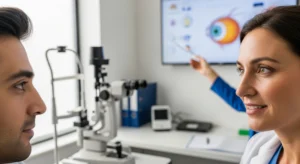
An ophthalmic test up is a comprehensive evaluation of eye fitness conducted by using the use of an ophthalmologist. It is going beyond a easy imaginative and prescient check and examines both the visual function and the bodily fitness of the eyes.
This check-up is essential for:
- Detecting eye diseases early
- Monitoring existing eye conditions
- Preventing permanent vision loss
- Assessing overall eye health
Unlike routine vision screenings, an ophthalmic check up includes multiple eye examination tests designed to identify both common and complex eye disorders.
Who Should Get Regular Eye Examinations?
Regular examination in ophthalmology is recommended for:
- Children – To detect refractive errors and lazy eye early
- Adults (18–40 years) – Every 1–2 years
- Adults over 40 – Annually, due to higher risk of glaucoma and presbyopia
- Diabetic patients – At least once a year
- People with family history of eye diseases
- Individuals with prolonged screen exposure
Early detection through proper eye medical tests significantly improves treatment outcomes.
Common Eye Examination Tests Explained
A complete eye examination test includes several diagnostic procedures. Each test plays a crucial role in evaluating vision and eye health.
1. Visual Acuity Test
This test measures how clearly you can see objects at various distances. It is commonly performed using a Snellen chart and helps identify refractive errors such as:
- Myopia (near-sightedness)
- Hyperopia (far-sightedness)
- Astigmatism
2. Refraction Test
A refraction takes a look at determining the exact lens energy required to accurate vision. It is an essential part of an ophthalmic test up and guarantees correct prescription of glasses or contact lenses.
3. Intraocular Pressure Test (Tonometry)
This eye medical test measures pressure inside the eye and is critical for detecting glaucoma. Elevated intraocular pressure can damage the optic nerve if left untreated.
4. Slit Lamp Examination
A slit lamp allows detailed examination of:
- Cornea
- Iris
- Lens
- Retina
This test helps diagnose infections, cataracts, corneal injuries, and inflammatory conditions.
5. Fundus Examination
Also known as a retinal exam, this test evaluates the retina, optic nerve, and blood vessels. It is especially important for diabetic patients and those with hypertension.
6. Visual Field Test
This eye examination test checks peripheral vision and is commonly used in glaucoma assessment and neurological disorders.
Advanced Eye Medical Tests in Modern Ophthalmology
Modern examination in ophthalmology includes advanced imaging and diagnostic technologies for precise diagnosis.
Optical Coherence Tomography (OCT)
OCT provides high-resolution images of the retina and optic nerve. It is essential for diagnosing:
- Macular degeneration
- Diabetic retinopathy
- Glaucoma
Corneal Topography
This test maps the surface curvature of the cornea and is vital before refractive surgeries like LASIK.
Fluorescein Angiography
Used to assess retinal blood circulation, this test helps diagnose retinal vascular diseases.
Common Eye Conditions Diagnosed During an Ophthalmic Check Up
A comprehensive ophthalmic check up can identify various eye conditions, including:
- Refractive errors
- Cataracts
- Glaucoma
- Dry eye syndrome
- Diabetic retinopathy
- Age-related macular degeneration (AMD)
- Eye infections and inflammation
Early diagnosis through proper eye examination tests helps prevent complications and vision loss.
Eye Treatment Options: From Medication to Therapy
Medical Treatment
Many eye conditions can be managed with:
- Prescription eye drops
- Oral medications
- Anti-inflammatory drugs
- Antibiotics or antivirals
Dry eye, infections, and early-stage glaucoma often respond well to medical treatment.
Vision Correction
Depending on the diagnosis from the eye medical test, vision correction may include:
- Eyeglasses
- Contact lenses
- Orthokeratology (Ortho-K)
Laser and Non-Surgical Treatments
Laser therapy is widely used in modern ophthalmology for:
- Diabetic retinopathy
- Retinal tears
- Glaucoma management
Eye Surgery: When Is It Necessary?
Surgery is recommended when medical treatment is insufficient. Advances in examination in ophthalmology ensure precise surgical planning and improved outcomes.
Common Eye Surgeries
Cataract Surgery
A safe and effective procedure where the clouded lens is replaced with an artificial intraocular lens.
LASIK and Refractive Surgery
Corrects refractive errors and reduces dependence on glasses or contacts.
Glaucoma Surgery
Improves fluid drainage to reduce intraocular pressure.
Retinal Surgery
Treats retinal detachment, macular holes, and severe diabetic retinopathy.
Each surgery is preceded by detailed eye examination tests to ensure safety and accuracy.
Pre- and Post-Surgery Eye Care
Before Surgery
- Comprehensive ophthalmic check up
- Advanced eye medical tests
- Medication review
- Lifestyle and hygiene guidance
After Surgery
- Regular follow-up examinations
- Use of prescribed medications
- Avoiding eye strain and contamination
- Monitoring healing through scheduled eye examination tests
Proper post-operative care is essential for long-term success.
Preventive Eye Care Tips for Healthy Vision
Maintaining eye health requires more than occasional check-ups.
- Schedule regular ophthalmic check ups
- Follow the 20-20-20 rule for screen use
- Wear UV-protective sunglasses
- Maintain a balanced diet rich in vitamins A, C, and E
- Control chronic conditions like diabetes and hypertension
- Avoid smoking
Preventive care reduces the need for complex treatments and surgeries.
Choosing the Right Eye Care Specialist
Always consult a certified ophthalmologist for comprehensive examination in ophthalmology. Unlike optometrists or vision technicians, ophthalmologists are trained to carry out clinical remedies and surgeries.
Look for:
- Board certification
- Advanced diagnostic facilities
- Experience in eye surgery
- Positive patient reviews
Read Also :- How to Choose the Right Eye Surgeon in India | Best Eye Hospital India Guide
Conclusion: Prioritize Your Eye Health Today
Your eyes deserve lifelong care. Regular ophthalmic test up, timely eye scientific checks, and correct eye exam checks play a crucial role in maintaining imaginative and prescient and preventing blindness. With present day advancements in exam in ophthalmology, maximum eye conditions are treatable while detected early.
Whether you want routine screening, clinical remedy, or superior eye surgical treatment, proactive eye care guarantees clearer vision and a higher first-rate of life. Make eye fitness a concern—due to the fact healthful vision is valuable.
Frequently Asked Questions (FAQs) on Eye Check-Up, Treatment & Surgery
1. What is an ophthalmic check up and why is it important?
An ophthalmic take a look at up is a comprehensive assessment of eye fitness accomplished through an ophthalmologist. It facilitates hit upon vision problems, eye sicknesses, and underlying medical situations early, preventing permanent vision loss and making sure long-time period eye health.
2. How often should I get an eye examination test?
Adults ought to go through a watch exam test every 1–2 years. People over 40, diabetics, and people with a circle of relatives records of eye sicknesses must have an ophthalmic check up annually or as recommended with the aid of their ophthalmologist.
3. What eye medical tests are included in a complete eye check-up?
A complete eye medical test may include visual acuity testing, Refraction test, intraocular pressure measurement, slit lamp exam, retinal exam, and visual field trying out, depending on age and symptoms.
4. What is the difference between a vision test and examination in ophthalmology?
An imaginative and prescient test exams eyesight readability, while an exam in ophthalmology evaluates basic eye fitness. It includes advanced eye examination tests to diagnose illnesses like glaucoma, cataracts, and retinal issues.
5. Are eye examinations necessary if I have no vision problems?
Yes. Many eye diseases develop without early symptoms. Regular ophthalmic check up and eye medical tests help detect conditions like glaucoma and diabetic retinopathy before vision damage occurs.
6. What eye examination tests are used to detect glaucoma?
Glaucoma is diagnosed using several eye examination tests, including intraocular pressure measurement, optic nerve examination, visual field testing, and optical coherence tomography (OCT).
7. Is eye surgery always required for eye problems?
No. Many eye situations may be managed with medicinal drug or non-surgical treatments. Surgery is recommended handiest whilst eye clinical checks indicate that scientific treatment is inadequate or vision is considerably affected.
8. How long does a complete ophthalmic check up take?
A full ophthalmic check up usually takes 30 to 60 minutes, depending on the number of eye examination tests required and whether pupil dilation is needed.
9. What eye medical tests are required before eye surgery?
Before eye surgery, specific examination in ophthalmology is accomplished, which includes corneal measurements, retinal imaging, eye strain testing, and normal health evaluation to make sure surgical protection and accuracy.
10. Are eye examination tests safe for children?
Yes. Eye exam checks are safe, painless, and essential for youngsters to come across imaginative and prescient troubles, lazy eye, or refractive mistakes at an early level.